
A Trincomalee road trip lets you string together ancient temples, rock fortresses, and the calmest beaches in Sri Lanka on a single drive from Colombo. Doing it by rental car is the difference maker. You can stop in the Cultural Triangle, reach Nilaveli and Uppuveli on your own schedule, and time whale watching or a Pigeon Island snorkel around the weather rather than a tour bus timetable.
The east coast has a short, generous dry season, and a car turns scattered highlights into one flowing itinerary. Here is how to plan the drive, the beaches, the boat trips, and where to sleep and eat along the way.
Driving to Trincomalee From Colombo and the Cultural Triangle
The Colombo to Trincomalee run takes most self-drivers the better part of a day, longer than mapping apps suggest once you factor in town traffic and road works. The route follows the A6 through the central lowlands, so the smart move is to break it inside the Cultural Triangle rather than push straight through.
Dambulla makes a natural halfway pause. From there the cave temple, Sigiriya, and Polonnaruwa are all short hops, which means your drive north can double as a heritage day. Many travelers spend a night near Dambulla, see a rock fortress in the morning, then finish the last two hours to the coast by early afternoon.
Roads in this corridor are mostly sealed and comfortable for a standard car. You will meet buses, tuk-tuks, and the occasional herd of goats, so plan on relaxed rather than rapid progress. For a full breakdown of local rules and driving etiquette, our guide to driving in Sri Lanka covers what to expect before you set off.
Splitting the drive also protects your first beach day. Arriving at the coast tired and late means you waste the light, whereas a Cultural Triangle overnight lets you reach Nilaveli or Uppuveli fresh and ready to swim. Treat the drive north as part of the trip rather than a chore to survive.
Nilaveli and Uppuveli Beach Highlights
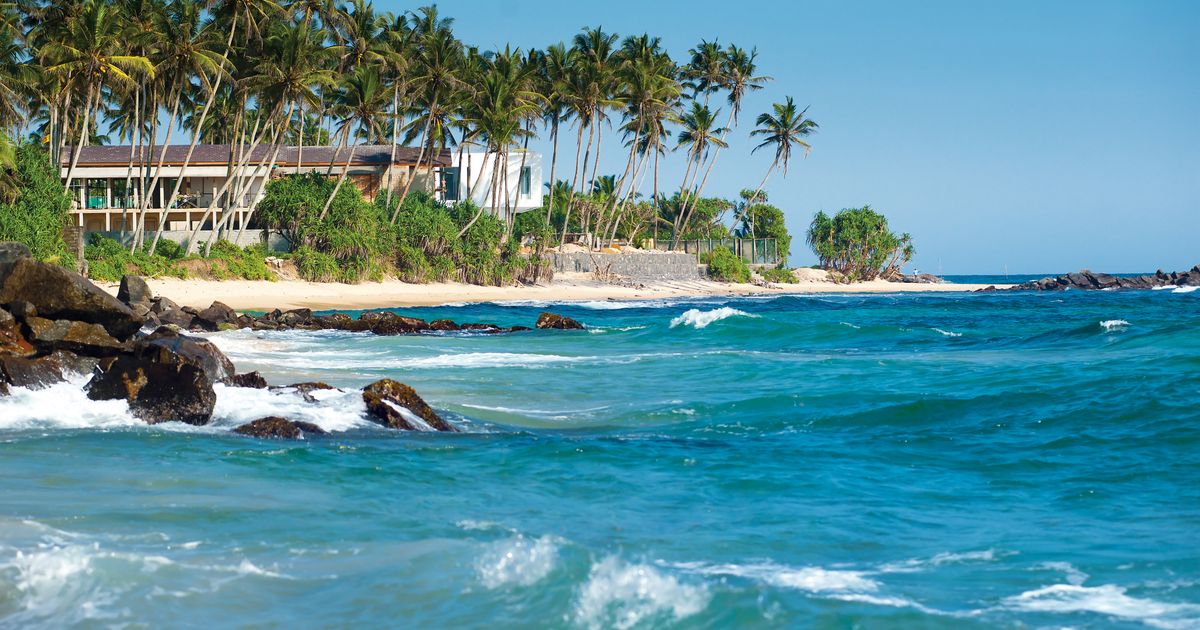
Nilaveli and Uppuveli are the two beach bases for a Trincomalee road trip, and both sit within about 20 minutes of town by car. Uppuveli is the nearer of the pair, backed by casual cafes and a string of mid-range hotels. Nilaveli lies a little further north and feels wider, quieter, and better suited to slow mornings.
Uppuveli works well if you want to dip into Trincomalee town for the Koneswaram Temple headland or the old Dutch fort between beach sessions. The sand is soft, the swimming is gentle, and evenings bring a low-key strip of seafood grills.
Nilaveli is the launch point for boat trips and the place to base yourself for snorkeling. The beach stretches for a long, flat arc with room to walk well away from any crowd. Having your own car means you can hop between the two beaches for lunch in one and sunset in the other, something a fixed tour rarely allows.
Both beaches share the same seasonal rhythm. From roughly May to September the sea flattens out and the sky stays clear, which is when the east coast is at its best. Outside that window the water can turn choppy and some boat operators pause, so timing your visit matters more here than on the busier south coast.
Parking is simple at either beach. Most hotels and guesthouses have space off the road, and the coastal lane between Uppuveli and Nilaveli is short enough to drive several times a day without a second thought. That easy access is what turns two separate beaches into a single, flexible base.
Whale Watching and Pigeon Island Trips
Whale watching off Trincomalee runs March to August on the east coast, with May and June the most reliable months and boats searching zones 15 to 30 km offshore (Whale Spotter, 2026). Blue, sperm, and humpback whales are all possible, and the deep continental slope close to shore is what makes this coast so productive.
Trips usually last two to three hours and leave early, so having a car parked at your hotel makes the pre-dawn start painless. You drive to the harbour on your own clock instead of waiting for a shared shuttle.
Pigeon Island is the other headline trip, just a few minutes by boat off Nilaveli. The marine national park holds more than 100 species of coral, and the main island runs around 200 metres long and 100 metres wide (Divinguru, 2026). Snorkelers drift over reef within wading distance of the shore, often alongside reef sharks and turtles.
The park's best window is March through October, which lines up neatly with the calm-sea months for the whole east coast. Bring your own mask if you can, since rental gear at the jetty is basic.
Road Conditions and Journey Times
The main roads to and around Trincomalee are sealed and suit a standard rental car, so a four-wheel drive is not needed for the classic beach itinerary. The A6 highway carries you north from the Cultural Triangle, and the coastal roads linking town, Uppuveli, and Nilaveli are short and straightforward.
Journey times are the thing to respect. The Colombo run eats most of a day door to door, and rushing it in the dark is a poor idea because unlit vehicles and animals are common after sunset. Aim to arrive before evening on your driving days.
Fuel stations thin out on the quieter northern stretches, so top up in a larger town before the last leg. A tracked vehicle adds peace of mind on long rural drives, which is exactly why iWay Rent a Car fits GPS tracking as standard. That matters most when you are hours from a city on Sri Lanka's back roads.
Where to Stay and Eat Along the East Coast
Most road trippers base themselves in Nilaveli or Uppuveli and treat Trincomalee town as a day-visit rather than a place to sleep. Uppuveli has the widest spread of guesthouses and small hotels, plus the easiest access to casual restaurants and beach bars.
For food, the east coast leans hard into seafood. Grilled fish, prawn curry, and crab feature on most menus, and the beachfront kitchens in Uppuveli plate them at fair prices. Vegetarians will find plenty of rice and curry spreads inland in town.
Eating well here often means driving a short way to the right spot. Some of the best fresh-catch kitchens sit a little apart from the main hotel strips, and a car turns them from a hassle into an easy dinner plan. Ask your guesthouse where the fishing boats land and follow that lead.
Nilaveli suits travelers who want a calmer, more resort-style stay with the reef on the doorstep. Wherever you land, a car lets you chase the better sunset spot or a specific restaurant without negotiating a tuk-tuk each evening. That flexibility is the real payoff of self-driving the east coast rather than relying on fixed transfers.
Plan Your East Coast Drive
Block out at least three nights on the coast so you can fit a whale trip, a Pigeon Island morning, and one slow beach day without cramming. Pick your travel window between May and September for the calmest seas, then book a reliable, fully insured car before you fly so your east coast run starts the moment you land at the airport.


