Sri Lanka in March: Quick Overview {#overview}
| Factor | Conditions |
|---|---|
| Average Temperature | 24°C – 34°C (75°F – 93°F) |
| Rainfall | Low to moderate (~80mm island average) |
| Sunshine Hours | ~8 hours/day |
| Humidity | 70–75% |
| Crowd Level | High season (peak tourism) |
| Overall Rating | ⭐⭐⭐⭐⭐ Excellent |
March marks the tail end of the northeast monsoon in the north and east, while the southwest and west coasts remain firmly in their dry season. The result is a rare window where almost every part of Sri Lanka enjoys good weather simultaneously — a condition that's hard to replicate in any other month.
Temperature by Region in March {#temperature}
Sri Lanka's varied topography means temperatures differ significantly between coastal, highland, and inland areas.
West & South Coast (Colombo, Galle, Mirissa, Bentota, Hikkaduwa)
The west and south coasts are in peak season during March. Expect warm, sunny days with:
- Daytime highs: 30°C – 33°C (86°F – 91°F)
- Nighttime lows: 24°C – 26°C (75°F – 79°F)
- Humidity: High, but tempered by coastal breezes
- Rainfall: Minimal — typically 5 to 7 rain days in the month
Beaches like Mirissa, Unawatuna, and Hikkaduwa are at their best: calm seas, clear water, and long sunny days.
Hill Country (Kandy, Ella, Nuwara Eliya)
The central highlands offer a refreshing escape from coastal heat:
- Kandy: Highs of 29°C – 31°C, lows around 19°C – 20°C
- Ella: Pleasant mid-20s during the day, cool evenings
- Nuwara Eliya: Highs around 22°C – 24°C, with cool nights dropping to 14°C – 18°C
March is one of the driest months in the hill country, making it perfect for tea plantation visits and scenic hikes without the usual mist.
Cultural Triangle (Sigiriya, Dambulla, Anuradhapura, Polonnaruwa)
The interior is hot and mostly dry in March:
- Daytime highs: 33°C – 36°C (91°F – 97°F)
- Rainfall: Very low — one of the driest periods of the year
- Best time: Early morning visits to ancient sites to beat the midday heat
North (Jaffna, Kilinochchi)
The north is hot with minimal rainfall:
- Daytime highs: 31°C – 34°C (88°F – 93°F)
- Rainfall: Very low (~27mm average), as the northeast monsoon winds down
- Excellent for exploring Jaffna's colonial heritage and island-hopping
East Coast (Trincomalee, Batticaloa, Arugam Bay)
The east coast transitions from the monsoon toward dry season during March:
- Daytime highs: 29°C – 32°C (84°F – 90°F)
- Rainfall: Reducing through the month — late March sees drier conditions
- Trincomalee's beaches begin opening up; Arugam Bay starts coming alive
Rainfall & Sunshine Hours in March {#rainfall}
March is one of Sri Lanka's drier inter-monsoon months, with the country averaging around 80mm of rainfall for the month — compared to 300mm+ during the peak southwest monsoon in May and June.
Key rainfall figures by destination:
| Destination | Average March Rainfall | Rain Days |
|---|---|---|
| Colombo | ~90mm | 7–8 days |
| Kandy | ~100mm | 8–10 days |
| Galle | ~80mm | 6–7 days |
| Nuwara Eliya | ~120mm | 10–12 days |
| Jaffna | ~27mm | 3–4 days |
| Trincomalee | ~50mm | 5–6 days |
| Mirissa | ~70mm | 5–6 days |
Any rain that does occur is typically brief afternoon or evening showers that clear quickly — they rarely disrupt a full day of sightseeing or beach activities.
Sunshine: Most coastal and inland destinations enjoy 7–9 hours of sunshine daily, making March one of the sunniest months of the year across much of the island.
Best Places to Visit in Sri Lanka in March {#places}
1. Mirissa & the South Coast
March is arguably the best month to visit Mirissa. The sea is calm, the sand is golden, and the whale-watching season is at its peak. Blue whales and sperm whales can be spotted just offshore — one of the most remarkable wildlife experiences in Asia.
? Explore the south coast by self-drive — read our guide to renting a car in Sri Lanka
2. Sigiriya & the Cultural Triangle
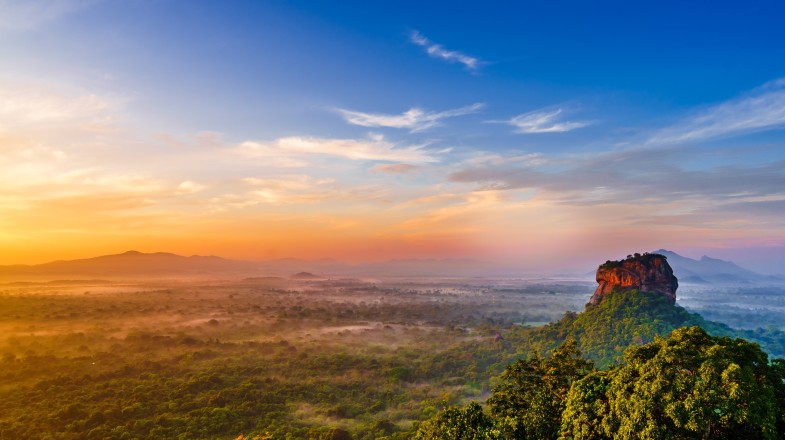
The ancient rock fortress of Sigiriya is spectacular in March. Cooler mornings make the climb comfortable, and the surrounding plains are bathed in golden light. Combine with visits to:
- Dambulla Cave Temples — Sri Lanka's largest cave temple complex
- Anuradhapura — an ancient capital with UNESCO-listed ruins
- Polonnaruwa — hire a bicycle to explore the medieval city ruins
3. Kandy
Sri Lanka's cultural capital is beautiful in March, with low rainfall and comfortable temperatures. Must-sees include the Temple of the Tooth Relic, Kandy Lake, and the Royal Botanical Gardens in nearby Peradeniya.
4. Ella & the Hill Country
March is a dream for hikers and nature lovers heading to Ella. The trails to Little Adam's Peak and Ella Rock are clear, the waterfalls are flowing, and the tea plantations are lush. The famous Nine Arch Bridge is best photographed in the morning light.
5. Trincomalee (Late March)
By late March, Trincomalee's beaches — including the beautiful Nilaveli and Uppuveli — are transitioning into their dry season. Snorkelling, diving, and dolphin watching begin to pick up. An increasingly popular alternative to the crowded south coast.
6. Jaffna
Sri Lanka's northernmost city is hot but largely unexplored by mainstream tourism. March is ideal for its colonial Dutch forts, vast Nainativu Island temples, and freshwater lagoon scenery. A rewarding off-the-beaten-path destination.
Things to Do in March {#activities}
? Whale Watching
The waters off Mirissa and Trincomalee are alive with blue and sperm whales in March. Mirissa is the most accessible departure point from the south — boats typically leave at 6:30am.
? Surfing
Hikkaduwa on the west coast offers consistent surf in March. The southwest swell produces good rideable waves for beginner and intermediate surfers.
? Wildlife Safaris
Yala National Park is excellent in March before the southwest monsoon. Leopard sightings are common; elephant herds are also frequently spotted at waterholes. Udawalawe is another top option for elephant sightings year-round.
? Hiking Adam's Peak
March is the tail end of the Adam's Peak pilgrimage season (December–May). Climbing overnight to watch the sunrise from Sri Pada (2,243m) is a deeply memorable experience, combining physical challenge with spiritual atmosphere.
? Snorkelling & Diving
The calm seas of March make Hikkaduwa Marine National Park, Pigeon Island (Trincomalee), and the waters off Unawatuna ideal for snorkelling and diving. Coral, turtles, and reef fish are abundant.
? Tea Plantation Tours
The hill country's dry March weather makes it perfect for guided walks through Nuwara Eliya tea estates. Factory tours explain the full production process from leaf to cup.
March Festivals & Events {#festivals}
Medin Poya (Full Moon Poya Day)
One of Sri Lanka's most important Buddhist observances, Medin Poya commemorates the Buddha's first visit to his father's kingdom after attaining enlightenment. Expect temple ceremonies, colourful lanterns, and a public holiday atmosphere across the island.
Maha Shivaratri
A major Hindu festival observed across Sri Lanka's Tamil communities — particularly prominent in Jaffna and Trincomalee. Devotees hold overnight vigils at Shiva temples, with rituals, prayers, and processions.
Colombo Food & Music Festivals
March typically sees a number of local food festivals, outdoor markets, and cultural events in and around Colombo. Check local listings for the latest events during your visit.
What to Pack for March {#packing}
March in Sri Lanka is warm to hot across most of the island. Pack light, breathable clothing and plan for a mix of beach, city, and highland environments.
Clothing:
- Lightweight cotton or linen tops and shorts/skirts
- A light layer (cardigan/light jacket) for hill country evenings
- Modest attire for temple visits (shoulders and knees covered)
- Swimwear and a beach cover-up
Sun Protection:
- High SPF sunscreen (SPF 50+ recommended)
- Sunglasses with UV protection
- A wide-brimmed hat or cap
Rain Preparedness:
- A compact travel umbrella or packable rain poncho — brief showers can occur even in the dry season
Health & Comfort:
- Insect repellent (DEET-based for outdoor/jungle areas)
- Reusable water bottle — staying hydrated is essential in the heat
- Comfortable walking shoes and flip-flops/sandals
Getting Around Sri Lanka in March {#gettingaround}
March is high season, which means popular sites get busy — particularly Sigiriya, Mirissa, and Kandy. The best way to travel on your own schedule, at your own pace, is by self-drive car rental.
With a self-drive vehicle, you can:
- Reach attractions early in the morning before the crowds arrive
- Stop at roadside viewpoints, local restaurants, and hidden beaches
- Cover multiple destinations in a single day without relying on tuk-tuks or tour buses
- Travel comfortably in air-conditioned vehicles during the hottest part of the day
iWay Rent-a-Car offers a fully keyless, paperless car rental experience from Colombo, with a modern fleet suitable for all Sri Lanka's roads — from coastal highways to hill country switchbacks.
- ✅ Keyless & paperless rental process
- ✅ Multi-currency payment accepted
- ✅ Comprehensive insurance options
- ✅ Delivery available to Colombo Airport (BIA)
? Browse our fleet and book your March rental at iwayrentacar.com
Driving in Sri Lanka in March: What to Know
- Roads are generally in good condition in March
- The A1 Colombo–Kandy highway can be congested — allow extra time
- Hill country roads are narrow and winding; take them slowly
- International or foreign visitors need a valid International Driving Permit (IDP) alongside their home country licence — read our full guide to driving legally in Sri Lanka as a foreigner
Frequently Asked Questions {#faqs}
Is March a good time to visit Sri Lanka?
Yes — March is one of the best months to visit Sri Lanka. Most of the island enjoys dry, sunny weather with temperatures between 24°C and 34°C. The northeast monsoon is winding down, and the southwest monsoon has not yet arrived, creating near-perfect conditions across multiple regions simultaneously.
Is it hot in Sri Lanka in March?
Coastal areas and the Cultural Triangle are warm to hot, with daytime temperatures ranging from 30°C to 34°C. The hill country is noticeably cooler, with Nuwara Eliya averaging highs of around 22°C–24°C — a welcome relief if you're heading up from the coast.
Does it rain in Sri Lanka in March?
Rainfall is low to moderate in March. Brief afternoon showers are possible, but they rarely last long or disrupt travel plans. The island-wide average is around 80mm for the month, spread across roughly 7 rain days.
Which is the best beach in Sri Lanka in March?
The west and south coast beaches are excellent in March. Mirissa is a top pick for whale watching, Unawatuna for snorkelling, and Hikkaduwa for surf. The east coast (Trincomalee, Nilaveli) begins opening up toward the latter half of the month.
Can I drive in Sri Lanka as a tourist?
Yes, tourists can legally self-drive in Sri Lanka with a valid International Driving Permit (IDP) and their home country driving licence. Sri Lanka drives on the left. Read our full guide to driving in Sri Lanka as a foreigner →
Is March peak season in Sri Lanka?
Yes. March is considered high season, especially for the west and south coasts. Booking accommodation and car hire in advance is strongly recommended to avoid disappointment.
Final Thoughts
Sri Lanka weather in March is about as good as it gets for an island-wide visit. Whether you're drawn by the whale-watching off Mirissa, the ancient ruins of Sigiriya, the cool tea country of Ella, or the untouched beaches of Trincomalee — March delivers reliable sunshine, warm temperatures, and manageable rainfall across virtually every region.
The best way to make the most of it? Hire a car and explore at your own pace.
? Book your self-drive car rental with iWay Rent-a-Car — keyless, paperless, and hassle-free from Colombo.


