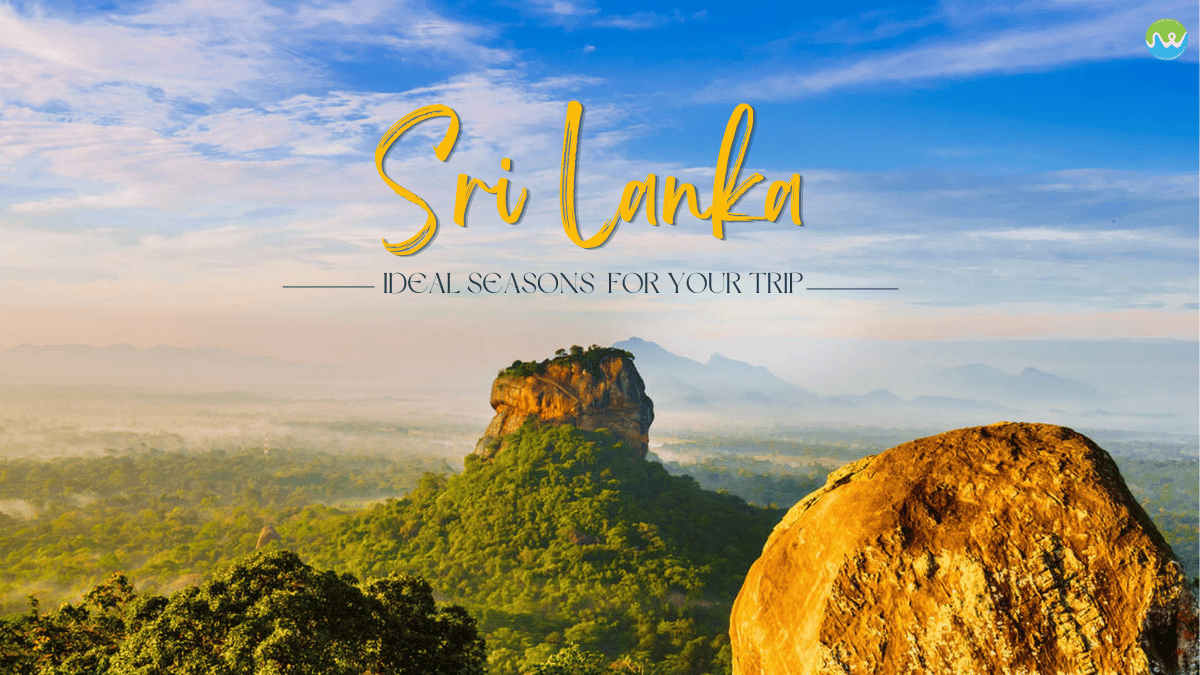
Sri Lanka is a year-round destination, but "the best time to visit" depends heavily on where you're going. The island has two separate monsoon systems affecting opposite coasts at different times of year, so a month that's perfect for the beaches near Galle can be the wrong time for the east coast, and vice versa.
The Two Monsoon Seasons
Sri Lanka's weather is shaped by two monsoons that hit opposite sides of the island:
- Yala monsoon (May–September): brings rain to the west and south coasts and the hill country
- Maha monsoon (October–January): brings rain to the north and east coasts
This means the west/south and the north/east are essentially never rainy at the same time — when one coast is wet, the other is usually dry and sunny.
Month-by-Month Overview
| Months | West & South Coasts | East Coast | Hill Country |
|---|---|---|---|
| December – March | Dry, peak season | Can be wet early on | Cool, clear, pleasant |
| April | Transitional, still good | Improving | Warm, occasional showers |
| May – September | Wetter, fewer crowds | Dry, peak season | Misty, cooler, some rain |
| October – November | Transitional | Wetter | Variable |
Best Time for the West & South Coasts
If your trip centers on Colombo, Galle, Mirissa, or Bentota, the dry season from December to March is the classic window — calm seas, minimal rain, and reliable sunshine. This is also peak tourist season, so expect higher accommodation prices and busier beaches. April and the shoulder months around November can still offer good weather with fewer crowds.
Best Time for the East Coast
Towns like Trincomalee, Arugam Bay, and Pasikuda flip the calendar: their driest, sunniest months run from May to September, exactly when the west coast is at its wettest. This makes the east coast a smart choice for a mid-year trip, and Arugam Bay in particular sees its best surf conditions during this window.
Best Time for the Hill Country
Kandy, Ella, and Nuwara Eliya sit at higher altitude and stay relatively cool and pleasant most of the year, though they can turn misty and occasionally rainy regardless of season. Many travelers actually prefer this atmosphere for a quieter, greener contrast to the coast. December to March tends to bring the clearest hill country weather, aligning with the west coast dry season.
Best Time for Wildlife Safaris
National parks like Yala are best visited during the drier months, when animals gather more predictably around remaining water sources, making sightings easier. Yala closes for part of the year (typically around September–October) for its annual conservation break, so it's worth checking current park status before planning a safari-focused trip.
Avoiding Crowds and Higher Prices
Peak season on the west and south coasts (December through March, especially around the December holidays) brings the highest prices and the biggest crowds. Traveling in the shoulder months — April or November — often means better rates and quieter beaches, with only a modestly higher chance of rain.
Planning Around the Weather
Because Sri Lanka's regions run on different seasonal clocks, a well-planned multi-stop itinerary can chase good weather nearly year-round — spending the dry months on whichever coast suits the calendar, and using the hill country as a cooler stop in between. For route ideas, see our guide to popular destinations around Sri Lanka.
Getting Around Regardless of Season
A self-drive rental makes it easy to adapt your route on the fly if weather shifts your plans — heading to the drier coast, or spending an extra day in the hills if the lowlands turn wet. If you're visiting from abroad, check our guides on whether tourists can drive in Sri Lanka and current visa costs before you book your trip.
Ready to plan your trip to Sri Lanka?
Book Your Self-Drive Rental with iWay →Final Thoughts
There's no single "best month" to visit Sri Lanka — it depends entirely on which coast and region you're prioritizing. Time your trip to the coast, and you can find good weather somewhere on the island almost any time of year.


